Navigating the Journey: Empowering Cancer Patients with Knowledge and Support
In the labyrinth of cancer treatment, knowledge can be your most powerful ally. As patients and caregivers navigate the complexities of oncology, understanding the nuances behind different types of malignancies, from carcinoma to benign neoplasms, is crucial. With over 1.7 million new cases of cancer diagnosed in the U.S. each year, the need for clear health education has never been more essential. But where does one begin? How do we unlock that vital knowledge, and more importantly, how do we empower ourselves and others in the fight against cancer?
Imagine waking up one day and receiving a diagnosis that changes your life. The word 'cancer' echoes in your mind, stirring a whirlwind of emotions. Yet, it’s in that moment you realize, the journey ahead, while daunting, can be equipped with the right tools. From exploring early detection methods to engaging in a cancer awareness campaign, the importance of understanding tumor types and treatment options like chemotherapy and radiation therapy cannot be overstated. Remember, knowledge opens doors: "The greatest weapon against cancer is knowledge," one oncologist once said, urging us to be vigilant in our health education and proactive in our prevention strategies.
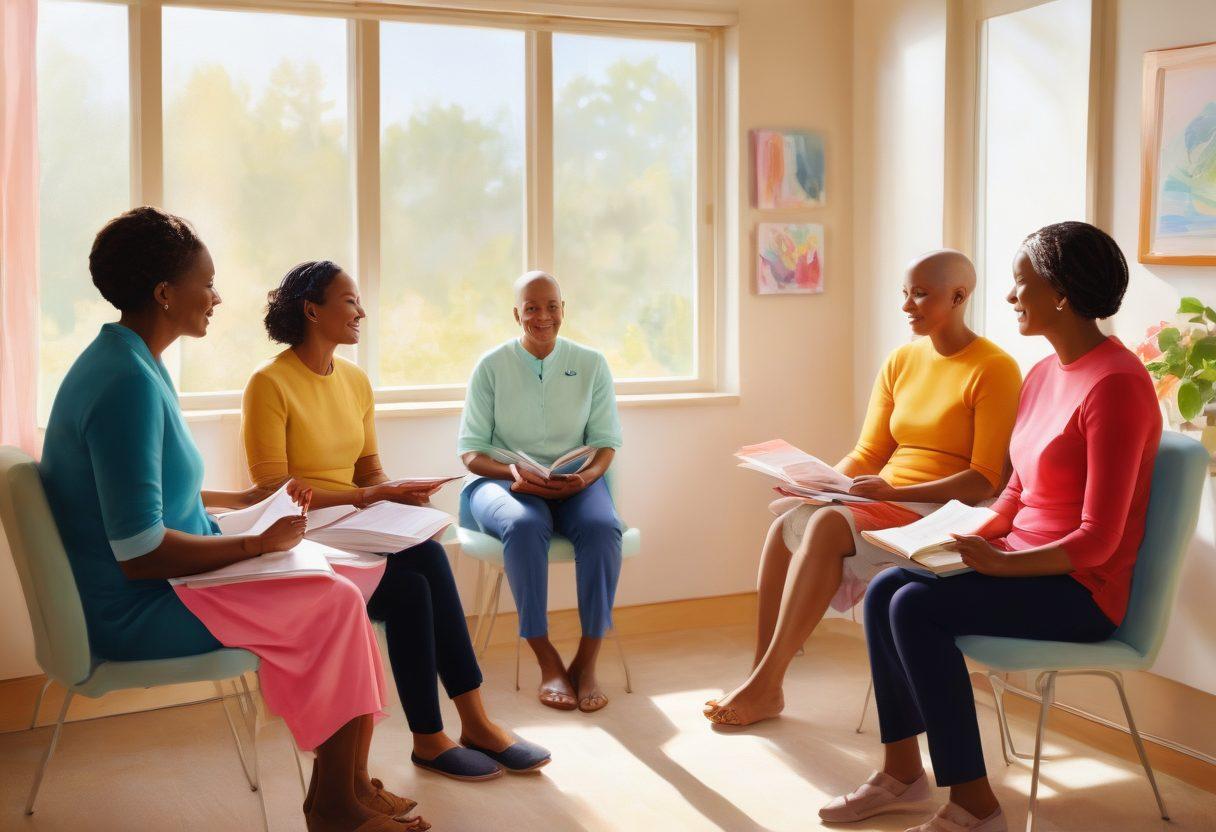
What if I told you that not only is your diagnosis just the starting point, but also the beginning of your advocacy journey? Cancer patients can significantly benefit from access to health resources such as support groups and clinical trials. Engaging with communities that share similar experiences leads to emotional support, making the road to recovery less lonely. Have you considered joining a forum or group dedicated to patient support? Sharing your experiences could provide solace not only to you but also to someone else walking this challenging path. Trust me, stories of resilience can uplift even the heaviest hearts.
Incorporating lifestyle changes and nutrition into your daily routine might seem trivial compared to your treatment plan, but it plays an equally significant role in your overall wellness. Research studies continue to highlight the profound impact a healthy diet and physical activity have on cancer survivorship. Think about it—could swapping out that sugary snack for a piece of fruit provide your body the boost it needs during those trying days of chemotherapy? It’s these small, everyday choices that pave the way to restoring balance in your life.
Lastly, let's not forget the power of palliative care. For many cancer survivors, living well after treatment is a pressing concern. Emotional support through counseling or support groups aids in addressing the psychological toll that often accompanies a cancer diagnosis. Here’s an intriguing thought: What if sharing your journey not only helped you heal but also inspired someone else? As you unlock the essential insights of your cancer experience, remember that you are not alone. The heart of patient support lies in connection – together, we can navigate through this journey, stepping even closer to a world free of cancer.
Building a Supportive Network: The Power of Community and Advocacy in Cancer Care
In the daunting world of cancer, one of the most vital aspects is building a supportive network. As the saying goes, "It takes a village to raise a child," and similarly, navigating through the complex landscape of malignancy requires a community of caring individuals. The journey of cancer treatment can be isolating, but with a coalition of advocacy, understanding, and emotional support, patients can find solace in shared experiences. Whether you’re battling carcinoma or supporting someone who is, the power of community is an undeniable force in the quest for wellness.
Imagine receiving a diagnosis of a neoplasm, feeling as if the ground has shifted beneath your feet. In that moment, the need for a robust support system becomes immediately evident. It’s not just about surviving; it’s about thriving. Support groups offer a safe haven where you can share fears, triumphs, and strategies to cope. Research studies have shown that engaging with others who understand your situation not only boosts emotional health but can also improve physical outcomes. Why not take the step to connect with others who have walked a similar path?
Advocacy plays a crucial role in cancer care as well. Have you ever felt powerless in the face of healthcare bureaucracy? By advocating for patients, whether through personal stories or involvement in cancer awareness campaigns, we can influence the quality of care offered in oncology clinics. Strong health education empowers patients to make informed choices regarding early detection and screening. Every voice matters in this journey, and making your voice heard can lead to significant change in the way cancers like breast, lung, and prostate are approached.
Nutrition and lifestyle changes can also dramatically affect a patient's cancer journey. Integrating wholesome foods and regular exercise into your daily routine can significantly bolster your immunity, especially when undergoing treatments like chemotherapy or radiation therapy. Have you considered how your lifestyle choices might impact your overall health and cancer prevention strategies? Attending workshops and health resources from local healthcare providers can provide you with invaluable insights into nutrition tailored specifically for cancer survivors. It’s never too late to make beneficial changes!
Finally, the emotional support derived from a strong network cannot be overstated. The journey from being diagnosed with a tumor to becoming a cancer survivor is rife with challenges, but having access to palliative care and mental health professionals can make all the difference. Surround yourself with individuals who uplift you, challenge you, and inspire you. After all, when we lean on one another, we don’t just create a safety net; we build a powerful launchpad for healing and hope. As we strive towards collective wellness, remember that your story is important too. Be an advocate for your health, for others, and for future research studies that aim to provide better outcomes for all.
Navigating Treatments: From Clinical Trials to Palliative Care - A Guide for Survivors
In the labyrinthine world of cancer treatment, navigating through options can feel overwhelming for both patients and caregivers. Many face a daunting array of terms—oncology, tumor, malignancy, carcinoma—which often sound more like medical jargon than a lifeline. However, understanding these terms and their relevance to your journey isn't just critical; it’s empowering. As Ralph Waldo Emerson said, 'Knowledge is the antidote to fear.' The more informed you are about your treatment options, the easier it becomes to advocate for your health and wellness. This guide aims to illuminate the pathways of cancer treatments, from clinical trials to palliative care, to empower survivors and their loved ones.
When it comes to cancer treatment, one size does not fit all. Each type of neoplasm, or tumor, has its unique attributes that affect how it behaves and responds to various modalities. For some, chemotherapy may be the recommended course of action, while others may benefit from newer advancements like immune therapy. Understanding these treatment options not only enhances your ability to engage with healthcare professionals but also allows you to make informed decisions about the best approach for your individual circumstances. Have you considered enrolling in a clinical trial? These research studies offer cutting-edge treatments that are not yet widely available, presenting yet another avenue for potential recovery. Engaging with your medical team can uncover these opportunities and align your treatment with the latest research findings.
Imagine for a moment finding yourself at the crossroads of recovery. On one side, the harsh realities of treatment; on the other, the reassuring promise of supportive care. Palliative care doesn't signify giving up, but rather, an approach focusing on quality of life. Designed to alleviate symptoms and improve emotional support, this care can exist alongside various cancer treatments, including radiation therapy and chemotherapy. It’s crucial for cancer survivors to understand that palliative care can provide relief from pain and stress, allowing them to focus on their wellness and healing journey. The goal here is simple: to thrive, not just survive. What would it feel like to reclaim your sense of normalcy amidst a sea of uncertainty?
Emotional support is another cornerstone of navigating the cancer journey. Joining support groups can significantly improve your resilience during this time, connecting you with others who share similar experiences and challenges. Engaging in dialog about fears, treatment side effects, and future goals fosters a sense of camaraderie that many find indispensable. After all, you're not alone in this fight. There’s power in community; when cancer survivors come together, they amplify their voices and share resources, making the experience a bit lighter and more relatable. Have you tapped into local or online support networks yet? They’re a treasure trove of health resources and potentially life-saving advice that can boost your emotional wellness.
Finally, the role of lifestyle changes in cancer prevention and treatment is undeniable. From nutrition to exercise, adopting healthier habits can enhance your overall quality of life. Poor dietary choices can increase the risk factors associated with malignancies, so finding a balanced approach to nutrition is key. The buzz around superfoods and their antioxidant properties continues to grow in the healthiest circles, but it's about finding the right balance that matters most for your body. Additionally, regular screenings and early detection can be pivotal in addressing potential health issues before they develop into something more serious. Have you discussed lifestyle changes with your healthcare provider? Tackling cancer treatment requires a comprehensive strategy that includes advocacy for your health and a commitment to engaging in a proactive lifestyle.